

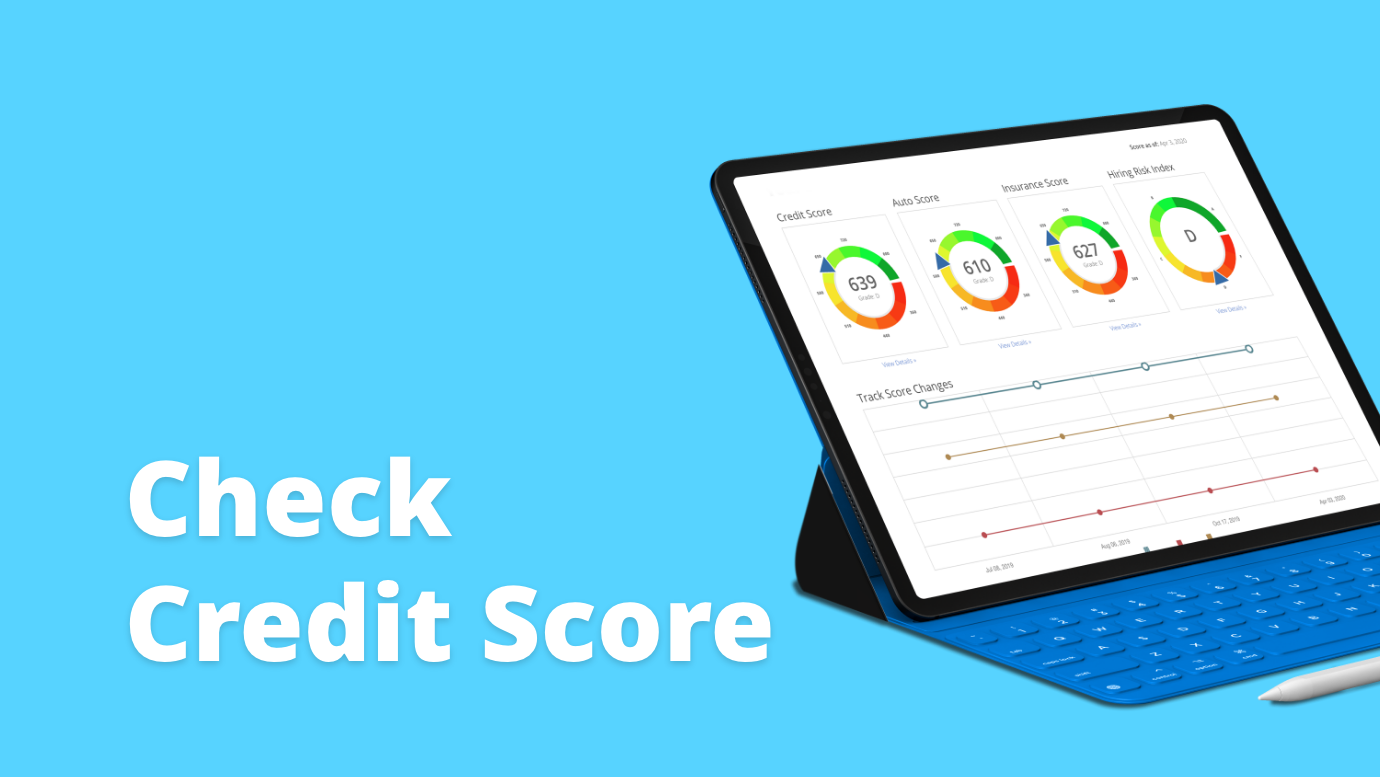
Most Americans don’t check their credit score regularly — and the ones who do often aren’t checking the right score for the right purpose.
There are more free credit score sources available to US consumers in 2026 than at any point in history. Banks, credit card issuers, fintech apps, and federal law all provide access to your credit information without paying anything. But not all free scores are equal: some show VantageScore, some show FICO, some update weekly and some monthly, and different sources pull from different bureaus.
Knowing which score to check — and which source to trust for which purpose — is what this guide is for.
Editorial note: CreditPilotUSA.com provides credit education based on FICO scoring methodology and federal consumer protection law. This article is for educational purposes only.
Last updated: March 2026
Quick Answer
The best free credit score sources in the USA in 2026 are: Experian’s free app (official FICO Score 8 from Experian — the most lender-relevant score), Credit Karma (VantageScore 3.0 from TransUnion and Equifax — updated weekly), your bank or card issuer’s app (varies by institution — many now provide free FICO scores), and AnnualCreditReport.com (free full credit reports from all three bureaus, no score included). For the score that matters most to lenders, use Experian. For frequent monitoring and trend tracking, use Credit Karma.
The Difference Between a Credit Score and a Credit Report
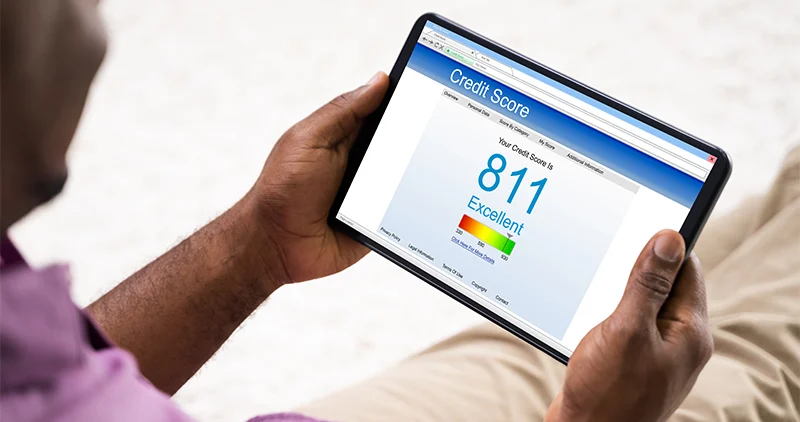
These two things are often confused — and they’re not the same.
Credit report: A detailed record of your credit history — every account, every payment, every balance, every inquiry, every negative item. It does not include a score. Available free from all three bureaus at AnnualCreditReport.com.
Credit score: A three-digit number calculated from your credit report data using a scoring model (FICO or VantageScore). Different models produce different scores from the same underlying report data.
You need both. Your report tells you what’s on your file and what’s driving (or damaging) your score. Your score tells you what tier lenders will put you in when you apply.
FICO vs. VantageScore: Which Score Actually Matters?
Before choosing a free score source, it helps to understand which scoring model you’re looking at — because the number can differ by 15–30 points depending on the model.
| FICO Score | VantageScore | |
|---|---|---|
| Used by lenders | 90%+ of US lenders | Some lenders; most free tools |
| Most common version | FICO Score 8 | VantageScore 3.0 and 4.0 |
| Score range | 300–850 | 300–850 |
| Free sources | Experian app, card issuers, myFICO (paid) | Credit Karma, Credit Sesame, NerdWallet |
| Medical debt | Included (FICO 8), excluded (FICO 9+) | Excluded (4.0) |
| Paid-off collections | Penalized (FICO 8) | Ignored (VantageScore 4.0) |
The practical implication: Credit Karma shows your VantageScore — which can be meaningfully different from your FICO Score. Neither is wrong; they’re different models using different algorithms. But when you’re preparing to apply for a mortgage, auto loan, or premium credit card, the FICO Score is what lenders will see. Knowing your VantageScore is useful for trend tracking; knowing your FICO Score is what matters for financial decisions.
The Best Free Credit Score Sources in 2026
1. Experian — Free FICO Score 8
Best for: Your most lender-relevant score
The Experian free app provides your official FICO Score 8 from Experian — updated monthly. This is the specific score that most lenders pull from Experian when you apply for credit. It’s the most accurate benchmark for whether you’ll be approved for a card or loan and at what terms.
- Score type: FICO Score 8 (the most widely used FICO version)
- Bureau: Experian only
- Update frequency: Monthly
- Also included: Full Experian credit report, alerts for new accounts and hard inquiries
- Cost: Free (premium tiers available but not required)
- Access: Experian.com or Experian app
Best use: Check before any major credit application — mortgage pre-approval, auto loan, premium credit card — to know your exact FICO number from the bureau lenders most commonly pull.
2. Credit Karma
Best for: Weekly monitoring and trend tracking
Credit Karma provides VantageScore 3.0 from both TransUnion and Equifax — updated weekly. For ongoing monitoring between major financial decisions, the weekly update frequency is Credit Karma’s primary advantage over monthly FICO sources.
- Score type: VantageScore 3.0
- Bureaus: TransUnion and Equifax (both)
- Update frequency: Weekly
- Also included: Full TransUnion and Equifax credit reports, credit monitoring alerts
- Cost: Free (ad-supported)
- Access: CreditKarma.com or Credit Karma app
Best use: Weekly progress tracking, monitoring for new accounts and inquiries, checking that utilization changes are reflecting in your score between billing cycles. The score shown may not match what lenders see — but the directional movement is reliable.
3. Your Credit Card or Bank App
Best for: Convenient access integrated with your existing accounts
Many major US banks and card issuers now provide free credit scores directly in their mobile apps or online portals. The score type and update frequency vary by institution:
| Issuer | Score Type | Bureau | Update |
|---|---|---|---|
| Discover | FICO Score 8 | TransUnion | Monthly |
| Chase | VantageScore 3.0 | TransUnion | Weekly |
| American Express | FICO Score 8 | TransUnion | Monthly |
| Bank of America | FICO Score 8 | TransUnion | Monthly |
| Citi | FICO Score 8 | Equifax | Monthly |
| Capital One | VantageScore 3.0 | TransUnion | Weekly |
| Wells Fargo | FICO Score 9 | Experian | Monthly |
Best use: A convenient secondary check. If you already use one of these issuers, the score in your app gives you a regular benchmark without opening another account. Note that all of these scores come from a single bureau — for a complete picture, check all three bureaus separately.
4. AnnualCreditReport.com
Best for: Your full credit history from all three bureaus
AnnualCreditReport.com is the only federally authorized source for free credit reports — mandated by the Fair Credit Reporting Act and operated by Equifax, Experian, and TransUnion jointly. Free weekly reports from all three bureaus are currently available.
- Score included: No — reports only, no score
- Bureaus: All three (Equifax, Experian, TransUnion)
- Update availability: Weekly (all three)
- Cost: Free by federal law
- Access: AnnualCreditReport.com
Best use: Full credit history review — checking for errors, verifying negative items and their dates, confirming accounts are being reported correctly, and monitoring for identity theft. Do a full three-bureau report review at least once per year. If you’re actively rebuilding your credit, review quarterly.
Warning: Websites that look like AnnualCreditReport.com but have slightly different names are not the authorized source. The legitimate URL is AnnualCreditReport.com — no dashes, no additional words.
5. myFICO
Best for: Complete FICO score access across all bureaus and versions
myFICO is the paid consumer product from Fair Isaac Corporation — the company that created the FICO score. It’s the only source where you can see FICO Scores from all three bureaus simultaneously, in multiple FICO versions (FICO 8, FICO 9, FICO Auto Score, FICO Mortgage Score).
- Score type: Multiple FICO versions
- Bureaus: All three
- Cost: $19.95–$39.95/month
- Best use: Mortgage preparation — when you need to know your exact FICO mortgage score from all three bureaus before a lender pulls it
For most consumers: The free Experian FICO Score 8 is sufficient. myFICO is worth the cost for the 1–2 months before a major mortgage application when precision across all three bureaus matters most.
How to Check Your Credit Report for Errors
Checking your score is one step. Reviewing your full report is another — and equally important. One in five American credit reports contains an error significant enough to affect the score.
The review checklist:
- Personal information: Confirm your name, address, and Social Security Number are correct. Errors here can indicate mixed files (another person’s data on your report) or identity theft.
- Account list: Review every account listed. Recognize each one. Any account you don’t recognize could be a reporting error, a joint account you forgot about, or fraudulent activity.
- Payment history: Verify that every payment you made on time is reported as on time. Late payment notations should only appear for payments that were actually 30+ days overdue.
- Delinquency dates: For any negative items (collections, late payments, charge-offs), verify the date of first delinquency. This date starts the 7-year reporting clock — if it’s wrong (reported as more recent than it actually was), the item may stay on your report longer than legally permitted.
- Balances: Confirm that paid-off accounts show $0 balance. Closed accounts should show “closed” status.
- Hard inquiries: Verify you authorized every hard inquiry listed. Unauthorized inquiries can indicate identity theft.
What to Do If You Find an Error
File a dispute directly with the bureau reporting the error. Each bureau has a free online dispute portal:
- Equifax: equifax.com/personal/credit-report-services/credit-dispute
- Experian: experian.com/disputes/main.html
- TransUnion: transunion.com/credit-disputes/dispute-your-credit
Under the Fair Credit Reporting Act, the bureau must investigate within 30 days and remove any item it cannot verify. A successful dispute on a significant error can add 20–50+ points to your score within 30–45 days.
You can also submit disputes through AnnualCreditReport.com — which automatically forwards to the relevant bureau.
For the complete framework for using credit report information to improve your score, see our how to fix your credit score guide.
The Monitoring Stack: What to Use and When
| Purpose | Best Tool | Frequency |
|---|---|---|
| Pre-application benchmark | Experian (FICO 8) | Before each credit application |
| Weekly trend tracking | Credit Karma | Weekly |
| Full history review | AnnualCreditReport.com | Quarterly (minimum annually) |
| Error checking (all 3 bureaus) | AnnualCreditReport.com | Annually (minimum) |
| Mortgage preparation | myFICO (paid) | 1–2 months before application |
| Real-time fraud alerts | Credit Karma or Experian | Enable alerts — ongoing |
Understanding Why Your Score Differs Across Sources
You might check your score on Credit Karma and see 710, then check through your bank and see 690, then check Experian and see 725. All three numbers are “real” — but they’re calculated differently.
The reasons scores differ:
- Different bureaus: Each bureau may have slightly different account data — a creditor might report to two bureaus but not the third
- Different scoring models: FICO 8 vs. VantageScore 3.0 use different algorithms and weight factors differently
- Different FICO versions: FICO 8 vs. FICO 9 treat medical debt and paid collections differently
- Different pull dates: A score pulled on the 5th of the month vs. the 20th may reflect different statement balances
For the score that matters most for lender decisions: FICO Score 8 from the bureau your lender pulls. For mortgage applications, lenders typically pull all three — so the lowest of the three scores is most relevant to your rate.
Frequently Asked Questions
Does checking your credit score hurt it?
No. Checking your own credit score is a “soft inquiry” — it appears on your report but has zero impact on your FICO score. Only “hard inquiries” (triggered by lender applications) affect your score. You can check your score as many times as you want without any scoring impact.
Which free credit score is most accurate?
All free credit scores are accurate for their specific model and bureau. The most lender-relevant score is FICO Score 8 from Experian, available free through the Experian app. For tracking trends and weekly updates, Credit Karma’s VantageScore is reliable as a directional indicator — just note that it may differ from your FICO Score by 10–30 points.
How often should I check my credit score?
For most consumers: check your FICO Score monthly (Experian app) and your VantageScore weekly via Credit Karma. Review your full credit report from all three bureaus at least once per year at AnnualCreditReport.com. If you’re actively rebuilding credit or preparing for a major loan, check your FICO Score monthly and your full report quarterly.
What is a good credit score in the USA?
A “Good” FICO score is 670–739. “Very Good” is 740–799. “Exceptional” is 800–850. For the complete breakdown of what each range unlocks in terms of cards, loans, and interest rates, see our credit score ranges explained guide.
Can I check my credit score without a Social Security Number?
Free credit score access typically requires a Social Security Number or Individual Taxpayer Identification Number (ITIN) for identity verification. Some fintech services like Credit Karma may accept ITIN. For immigrants and non-SSN holders building a US credit profile, see our how to build credit without SSN guide.
Final Thoughts
Checking your credit score is free, takes 2 minutes, and never hurts your score. There is no good reason to avoid it — and several strong reasons to make it a monthly habit.
The score you see today tells you where you stand. The report you review quarterly tells you what’s driving that number. Together, they give you the information you need to make the behavioral changes — utilization management, payment consistency, error disputes — that move the score over time.
Start with the Experian app for your FICO Score and Credit Karma for weekly tracking. Review your full report at AnnualCreditReport.com once per quarter. That’s the complete monitoring stack — and it costs nothing.
For the full framework for using this information to actively improve your score, see our how to fix your credit score guide.
Disclaimer: Credit score sources, update frequencies, and features are subject to change. FICO and VantageScore are separate scoring models and produce different results from the same credit data. This article is for educational purposes only.

Danilo is a Credit Analyst and the Founder of CreditPilotUSA.com. With deep expertise in the credit card industry, he translates complex banking news and reward systems into actionable financial strategies. Dedicated to helping Americans master their credit scores and maximize the cards in their wallets.