

Millions of Americans are about to see their credit scores shift as lenders roll out massive changes to how they calculate your borrowing power in 2026.
If you think you know how your credit score works, it is time to throw out the old playbook. For decades, the formula was simple: pay your credit cards on time, keep your balances low, and don’t apply for too many loans. But the financial landscape has evolved, and the credit bureaus are finally catching up.
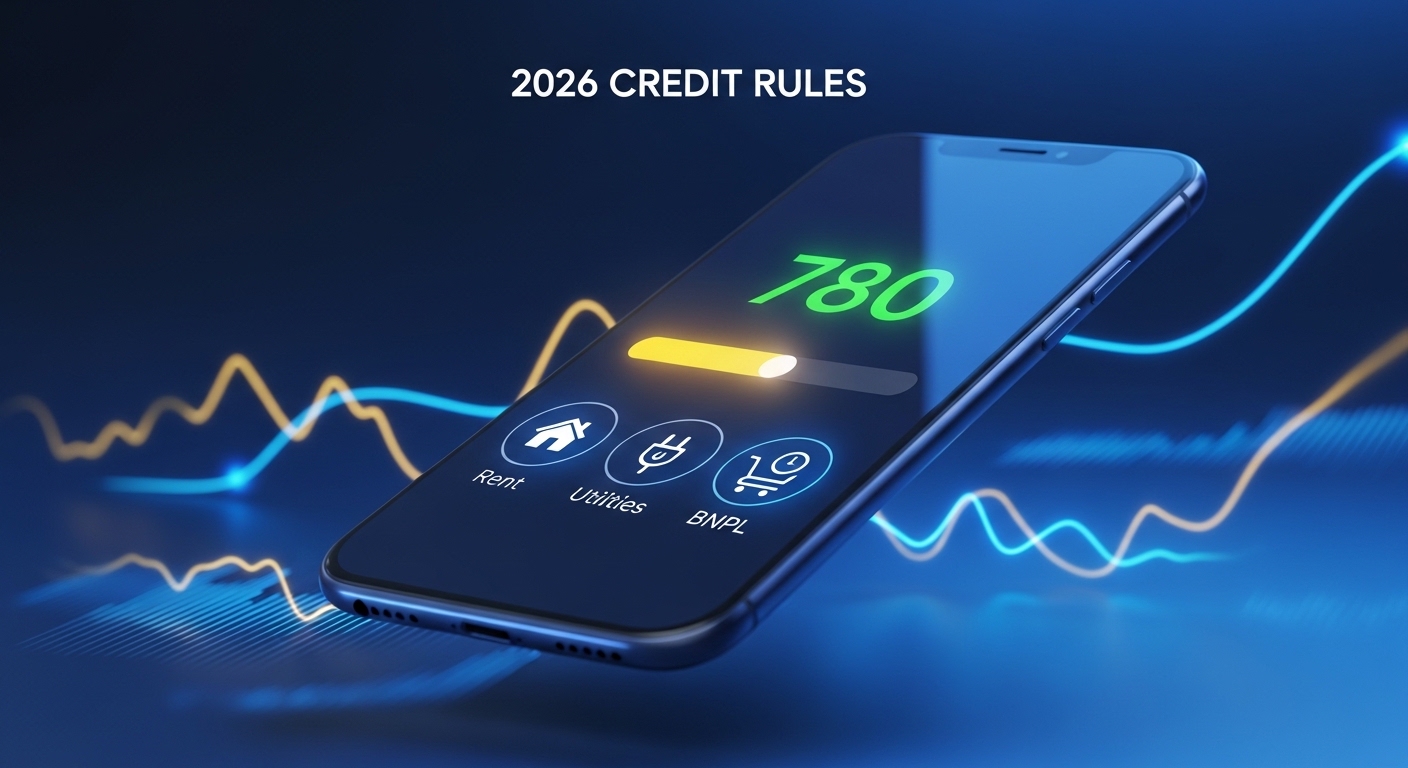
Welcome to 2026, the year your rent, your utility bills, and those tempting “Buy Now, Pay Later” (BNPL) plans officially become major players in your credit report. Here is exactly how the new scoring models will impact your number—and your wallet.
01. 2026: The Year the Rules of the Game Change
This year marks a massive transition in the lending industry. In the past, credit scores were essentially a snapshot of your current debt. Now, lenders are moving toward models that look at your financial habits over time.
If you have a “thin credit file”—meaning you haven’t had credit cards or loans for very long—this transition is actually great news. The system is expanding to include alternative data, giving millions of borrowers a fair shot at proving their financial responsibility. However, if you rely heavily on short-term financing, your score might be in for a bumpy ride.
02. Enter VantageScore 4.0 and FICO 10
The biggest shift happening right now is the heavy adoption of VantageScore 4.0 and FICO 10, particularly by mortgage lenders.
Unlike older models, these new systems use trended data. This means lenders aren’t just looking at your credit card balance today; they are looking at how you managed that balance over the last 24 months. Are you consistently paying off your debt, or are you just making minimum payments while your balance slowly creeps up?
These models also bring a massive relief for millions: paid medical collections and medical debts under $500 are disappearing from reports, instantly boosting scores for those affected by unexpected health emergencies.
03. The BNPL Trap and the Power of Rent
The most controversial change in 2026 is how alternative payments are being treated.
- The Double-Edged Sword of BNPL: Those “Buy Now, Pay Later” plans (like Klarna or Afterpay) used to be invisible to credit bureaus. Not anymore. BNPL history now formally appears on credit reports. If you make your payments on time, it can help build your profile. But if you miss a payment on a $50 pair of shoes, it will now tank your credit score just like a missed credit card payment.
- Rent and Utilities Now Count: Historically, paying your rent and utility bills on time did absolutely nothing for your credit score, while missing a payment could send you to collections. Under the new rules, on-time rent, phone, and utility payments can actively boost your score, finally rewarding renters for their biggest monthly expense.
04. How to Win Under the New Scoring Models
To maintain a high score—or build one from scratch—under these new 2026 rules, you need to adjust your strategy immediately:
- Report Your Rent: Don’t assume your landlord is reporting your on-time payments. Use third-party platforms to ensure your rent and utility payments are being sent to Experian, Equifax, and TransUnion.
- Treat BNPL Like a Traditional Loan: Stop using BNPL for everyday purchases. Treat every four-in-one payment plan as a hard line of credit, because the bureaus are now watching.
- Focus on the Trend, Not Just the Balance: Because lenders now look at trended data, paying down your balances consistently over a few months is more powerful than a one-time lump-sum payment. Show them a downward trajectory in your debt.
Are you ready for the new scoring models? Check your credit report today to see if your BNPL accounts and rent payments have already made an appearance.
- Your Credit Score Updates Every 30 Days — Here’s the Exact Day to Check It
- Does Closing a Bank Account Affect Your Credit Score?

Danilo is a Credit Analyst and the Founder of CreditPilotUSA.com. With deep expertise in the credit card industry, he translates complex banking news and reward systems into actionable financial strategies. Dedicated to helping Americans master their credit scores and maximize the cards in their wallets.