
Editorial Note: CreditPilotUSA.com provides independent financial education for U.S. consumers. This article is for informational purposes only and does not constitute financial, legal, or tax advice. Credit card terms, APRs, rewards, fees, and approval requirements can change, so always verify details directly with the issuer before applying.
Affiliate Disclosure: Some links on this page may be affiliate links. If you apply through them, CreditPilotUSA.com may earn a commission at no extra cost to you. Our recommendations are based on card features, consumer fit, credit-building value, and editorial research — not compensation alone.
Quick Answer
The best credit cards for beginners with no credit history are usually secured credit cards, student cards, and alternative approval cards that look beyond a traditional credit score. For most people, Discover it® Secured, Capital One Platinum Secured, OpenSky®, Chime Credit Builder, and Petal® 2 are strong places to start because they can help build credit when used responsibly.
Why Beginner Credit Cards Matter
Building credit in the U.S. can feel frustrating.
Many lenders want to see credit history before approving you, but you need an account to start building that history. Beginner credit cards solve this problem by giving new cardholders a safer way to enter the credit system.
A good starter card can help you:
- Build payment history
- Establish a credit file
- Improve approval odds later
- Learn responsible card habits
- Graduate to better rewards cards
- Avoid high-fee predatory products
The key is choosing a card that reports to the major credit bureaus: Equifax, Experian, and TransUnion.
If you are completely new to credit, also read our guide on how to build credit fast.
Best Credit Cards for Beginners With No Credit History
| Card | Best For | Deposit Required? | Annual Fee |
|---|---|---|---|
| Discover it® Secured | Cashback while building credit | Yes | $0 |
| Capital One Platinum Secured | Low deposit possibility | Yes | $0 |
| Capital One Quicksilver Secured | Simple cashback | Yes | $0 |
| OpenSky® Secured Visa® | No credit check | Yes | Yes |
| OpenSky® Plus Secured Visa® | No annual fee + no credit check | Yes | $0 |
| Chime Credit Builder Visa® | No interest structure | Flexible | $0 |
| Bank of America Customized Cash Rewards Secured | Secured rewards | Yes | $0 |
| Citi® Secured Mastercard® | Simple big-bank starter card | Yes | $0 |
| Petal® 2 Visa® | No deposit alternative | No | $0 |
| Self Visa® Credit Card | Credit-builder users | Yes | Varies |
1. Discover it® Secured Credit Card
Best for: Beginners who want cashback
Why it stands out: No annual fee and rewards while building credit
Potential downside: Requires a refundable security deposit
The Discover it® Secured Credit Card is one of the strongest beginner cards because it combines credit-building with rewards. Discover says the card has no annual fee and earns cashback on purchases.
It may also review your account for possible graduation to an unsecured card after responsible use.
This is a strong pick if you can afford the deposit and want a starter card that still feels rewarding.
2. Capital One Platinum Secured Credit Card
Best for: Beginners who may qualify with a lower deposit
Why it stands out: Deposit may be $49, $99, or $200 for an initial credit line
Potential downside: No rewards
Capital One Platinum Secured is built for people who want a simple way to build credit. Depending on your application, Capital One says a minimum deposit of $49, $99, or $200 may open an account with an initial credit line of at least $200.
This card is best if your priority is credit-building, not cashback.
3. Capital One Quicksilver Secured Cash Rewards Credit Card
Best for: Secured cashback
Why it stands out: Earns flat-rate cashback with a refundable deposit
Potential downside: Requires a minimum deposit
The Quicksilver Secured card is useful for beginners who want a secured card but still want simple rewards. Capital One currently describes it as earning 1.5% cash back on purchases with a refundable security deposit.
It is a good fit if you want a starter card that can remain useful after your credit improves.
4. OpenSky® Secured Visa® Credit Card
Best for: No credit check approval path
Why it stands out: OpenSky says no credit check is required to apply
Potential downside: Annual fee
OpenSky is designed for people who may not qualify for traditional secured cards. It does not require a credit check to apply, which can be helpful if you have no credit, damaged credit, or limited banking history.
The tradeoff is cost. The standard OpenSky Secured Visa has an annual fee, so compare it carefully before applying.
5. OpenSky® Plus Secured Visa® Credit Card
Best for: No annual fee and no credit check
Why it stands out: No annual fee version of OpenSky’s secured lineup
Potential downside: Still requires a security deposit
OpenSky Plus may be a better option than the standard OpenSky card if you want no annual fee and no credit check.
This card can make sense for someone who wants a simpler approval path but does not want to pay an annual fee just to build credit.
6. Chime Credit Builder Visa® Credit Card
Best for: Avoiding interest and traditional credit checks
Why it stands out: No annual fee, no interest, and no credit check to apply
Potential downside: Requires a Chime checking relationship
Chime Credit Builder works differently from a traditional credit card. It uses money you move into the account to set your spending power.
This can help beginners avoid overspending because you are not borrowing against a traditional credit limit in the same way.
It is best for people who already use or are willing to use Chime banking.
7. Bank of America Customized Cash Rewards Secured Credit Card
Best for: Secured card with strong rewards potential
Why it stands out: Choose a cashback category while building credit
Potential downside: Requires a deposit and Bank of America approval
This card is a strong secured option because it offers rewards that are more similar to an unsecured cashback card.
Bank of America says there is no annual fee, and cardholders can earn cash rewards while building credit.
It is a good option if you want a secured card from a major bank with more flexible rewards.
8. Citi® Secured Mastercard®
Best for: Simple credit building with a major issuer
Why it stands out: Straightforward secured card from Citi
Potential downside: No rewards
The Citi Secured Mastercard is a no-frills option for beginners. Citi says applicants select a security deposit between $200 and $2,500, which becomes the credit limit.
This card is best if you want a basic tool to build credit and do not care about rewards right away.
9. Petal® 2 Visa® Credit Card
Best for: No deposit and no traditional fees
Why it stands out: Petal may evaluate cash flow, not just credit history
Potential downside: APR can be high if you carry a balance
Petal® 2 can be a good option for applicants with limited credit who want to avoid a security deposit. Petal describes the card as having no fees and earning 1% to 1.5% cash back on everyday purchases.
This card is best for people with steady income or bank activity who want an unsecured starter card.
10. Self Visa® Credit Card
Best for: People using a credit-builder account
Why it stands out: Combines credit-building tools with a secured card path
Potential downside: May require using Self’s credit-builder product first
Self is designed for people who want to build credit step by step. It can be useful if you are starting from zero and want a structure that combines savings habits with credit reporting.
Before signing up, review all fees and requirements carefully.
Secured vs. Unsecured Beginner Cards
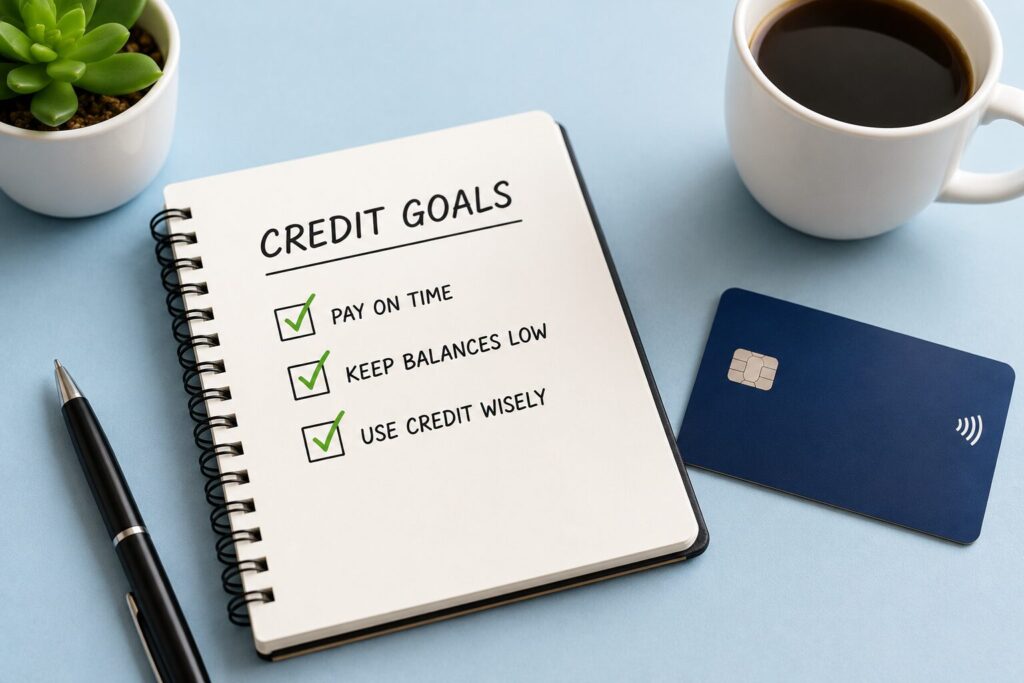
Most beginners will choose between a secured card and an unsecured starter card.
| Type | How It Works | Best For |
|---|---|---|
| Secured credit card | Requires refundable deposit | No credit or damaged credit |
| Unsecured starter card | No deposit required | Limited credit or student applicants |
| Alternative approval card | Uses bank data or account balance | Thin-file applicants |
| Student card | Designed for college students | Students with limited credit |
A secured card is often easier to get. An unsecured card is more convenient if you qualify.
How to Use Your First Credit Card the Right Way
Getting approved is only step one.
To build credit, use the card carefully:
- Make small purchases.
- Keep your balance low.
- Pay on time every month.
- Pay in full when possible.
- Avoid cash advances.
- Do not apply for too many cards at once.
- Check your credit reports regularly.
A smart beginner strategy is to put one small subscription on the card, set up autopay, and keep the card active without overspending.
Common Mistakes to Avoid
Avoid these beginner mistakes:
- Maxing out your credit limit
- Carrying a balance to “build credit”
- Missing your payment due date
- Applying for several cards in one week
- Ignoring annual fees
- Choosing a card that does not report to all three bureaus
- Closing your first card too soon
- Using credit like extra income
You do not need debt to build credit. You need consistent, responsible use.
FAQ
Can I get a credit card with no credit history?
Yes. Secured credit cards, student cards, and alternative approval cards are designed for people with no or limited credit history. Approval is not guaranteed, but these cards usually have more beginner-friendly requirements than premium rewards cards.
What is the easiest credit card to get with no credit?
Secured cards are often the easiest because they require a refundable deposit. OpenSky may be easier for some applicants because it does not require a credit check, while Chime may work well for people who prefer a no-interest structure.
How long does it take to build credit with a beginner card?
Many people begin seeing credit history develop within a few months, but building a strong score can take 6 to 12 months or longer. The most important factors are on-time payments, low utilization, and consistent account activity.
Should beginners get a secured credit card?
Yes, a secured card can be a smart first step if you cannot qualify for an unsecured card. Choose one with low fees, bureau reporting, and a path to graduation if possible.
Do I need to carry a balance to build credit?
No. You do not need to carry a balance or pay interest to build credit. Paying your statement balance in full every month is usually the best habit for beginners.
Final Verdict
The best credit card for beginners with no credit history depends on your situation.
If you want rewards and can afford a deposit, Discover it® Secured or Bank of America Customized Cash Rewards Secured may be strong options. If you want a lower-deposit possibility, consider Capital One Platinum Secured. If you want no credit check, compare OpenSky and Chime. If you want to avoid a deposit, Petal® 2 may be worth reviewing.
The card matters, but your habits matter more.
Use your first card lightly, pay on time, keep balances low, and check your reports. After 6 to 12 months of responsible use, you may be ready to upgrade to better rewards cards.
For the next step, compare broader options in our guide to the best credit cards in the USA.

Danilo is a Credit Analyst and the Founder of CreditPilotUSA.com. With deep expertise in the credit card industry, he translates complex banking news and reward systems into actionable financial strategies. Dedicated to helping Americans master their credit scores and maximize the cards in their wallets.