

Two of the most popular no-annual-fee cashback cards in the United States are going head-to-head. But if you want to know how the Apple Card vs. Capital One Quicksilver comparison actually plays out in 2026, the right answer depends on one question: are you an iPhone user?
The Apple Card and the Capital One Quicksilver both charge $0 per year, both earn flat-rate cashback on every purchase, and both offer clean, simple reward structures with no categories to track. On paper, they look nearly identical. In practice, they serve very different cardholders — and choosing the wrong one costs you real money every year.
This Apple Card vs Capital One Quicksilver comparison breaks down every meaningful difference — rewards rates, cashback values, benefits, approval requirements, and the specific spending profiles where each card wins — so you can make the right call for your wallet.
Editorial note: CreditPilotUSA.com evaluates credit cards based on annual rewards value, fee structure, approval requirements, and real cardholder data. Cards are selected independently — we are not paid to feature specific products.
Last updated: March 2026
Side-by-Side Comparison
| Feature | Apple Card | Capital One Quicksilver |
|---|---|---|
| Annual Fee | $0 | $0 |
| Base Cashback Rate | 2% via Apple Pay / 1% physical | 1.5% everywhere |
| Apple Purchases | 3% Daily Cash | 1.5% |
| Welcome Bonus | None | $200 after $500 spend |
| Intro APR | None | 0% for 15 months |
| Regular APR | 19.24%–29.49% variable | 19.74%–29.74% variable |
| Foreign Transaction Fee | None | None |
| Late Fee | $0 | Up to $40 |
| Cashback Delivery | Daily (instant) | Monthly |
| Platform Requirement | iPhone required | Any device |
| Issuer | Goldman Sachs / Apple | Capital One |
| Network | Mastercard | Visa |
| Credit Score Required | ~700 (Good) | ~670 (Fair to Good) |
| Extended Warranty | No | Yes |
| Travel Insurance | No | Yes |
| Rental Car Coverage | No | Yes |
| Best For | Apple Pay power users | Everyone else |
Quick Answer
The Capital One Quicksilver wins for most US cardholders: it earns 1.5% cashback everywhere, works on any device and any platform, and has no meaningful restrictions. The Apple Card wins specifically for heavy Apple Pay users — the 2% Daily Cash rate on every Apple Pay purchase delivers better annual returns for iPhone users who tap to pay consistently. If less than 70% of your purchases go through Apple Pay, the Quicksilver will outperform.
What Is the Apple Card?
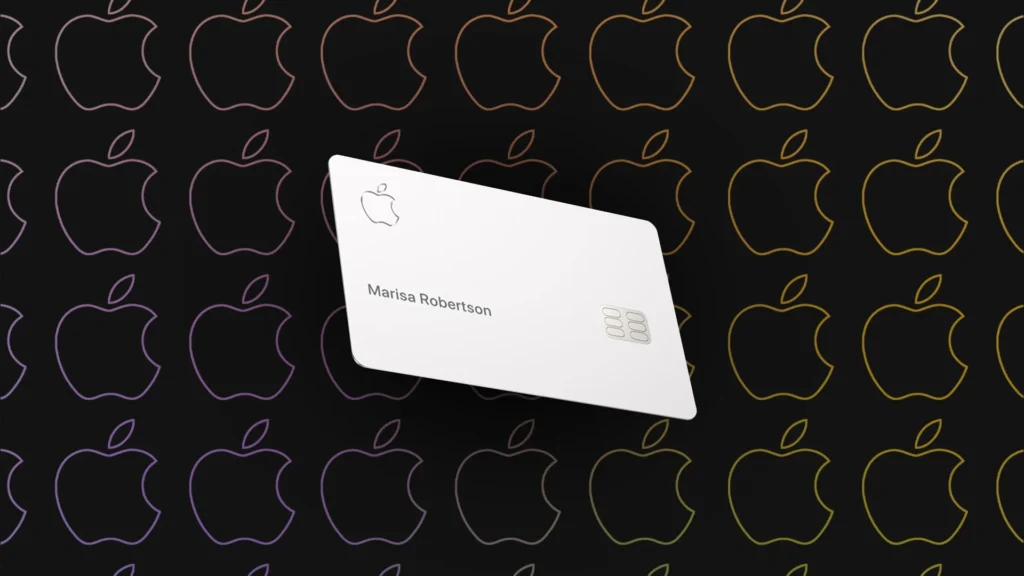
The Apple Card is a Mastercard credit card issued by Goldman Sachs and managed entirely through the iPhone Wallet app. There is no paper statement, no separate website portal — everything lives in iOS.
Three-tier Daily Cash structure:
- 3% on purchases made directly with Apple (App Store, Apple.com, Apple Music, iCloud, Apple TV+, and Apple Pay at select partner merchants: Nike, Duane Reade, Exxon, Panera, T-Mobile)
- 2% on all purchases made via Apple Pay — contactless tap on iPhone or Apple Watch
- 1% on purchases made with the physical titanium card where Apple Pay is not accepted
Daily Cash posts to your Apple Cash account within minutes of each transaction — usable immediately as cash, balance payment, or bank transfer.
The critical limitation: The 1% rate on physical card use is the lowest in the no-annual-fee category. The 2% headline rate that makes this card competitive requires an iPhone and Apple Pay acceptance at every merchant.
What Is the Capital One Quicksilver?
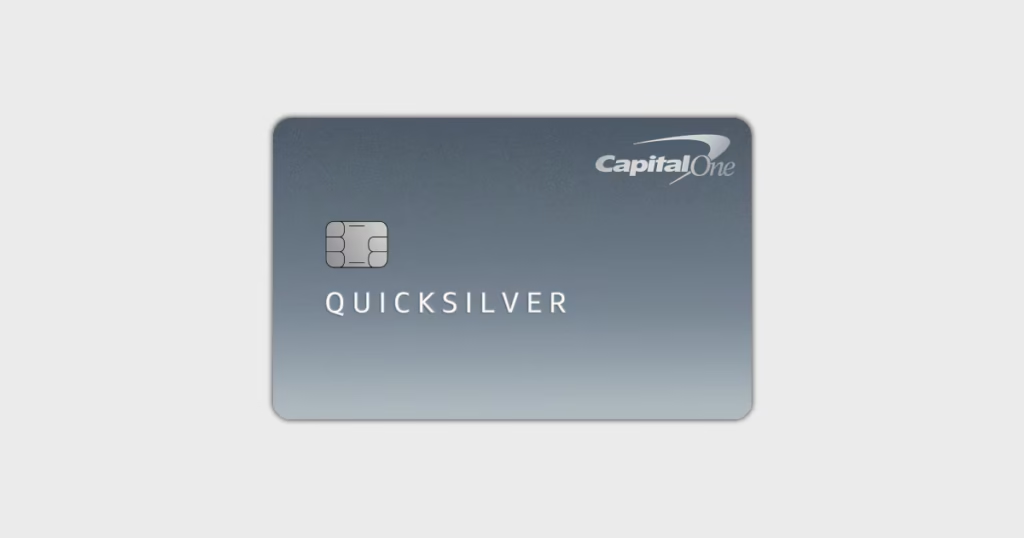
The Capital One Quicksilver is a Visa credit card earning a flat 1.5% cashback on every purchase — regardless of how you pay, what device you use, or where you shop.
Rewards structure:
- 1.5% on every purchase, automatically
- 5% on hotels and rental cars booked through Capital One Travel
- Redeemable as statement credit, check, or gift card — no minimum threshold
The Quicksilver’s strength is pure consistency. Swipe, tap, or enter your card number online — the rate never changes, no exceptions.
Rewards Comparison: The Math by Payment Behavior
This is the section that decides the winner — and the answer changes entirely depending on how you actually pay.
Scenario A: Heavy Apple Pay User (90%+ of purchases via tap)
| Category | Monthly Spend | Apple Card | Quicksilver |
|---|---|---|---|
| Groceries | $600 | $144/yr | $108/yr |
| Dining | $400 | $96/yr | $72/yr |
| Gas | $150 | $36/yr | $27/yr |
| Online shopping | $300 | $72/yr | $54/yr |
| Apple purchases | $50 | $18/yr | $9/yr |
| Total ($1,500/mo) | $366/yr | $270/yr |
Apple Card wins by $96/year at near-perfect Apple Pay usage.
Scenario B: Mixed Payment User (60% Apple Pay / 40% physical card)
| Card | Blended Rate | Annual Rewards ($1,500/mo) |
|---|---|---|
| Apple Card | ~1.6% effective | ~$288/yr |
| Capital One Quicksilver | 1.5% flat | $270/yr |
Apple Card wins by ~$18/year — essentially a tie, with added complexity of managing two payment methods.
Scenario C: Low Apple Pay Usage (under 40% of purchases)
| Card | Blended Rate | Annual Rewards ($1,500/mo) |
|---|---|---|
| Apple Card | ~1.2% effective | ~$216/yr |
| Capital One Quicksilver | 1.5% flat | $270/yr |
Quicksilver wins by $54/year for cardholders who rarely use Apple Pay.
💡 The CreditPilot Payment Audit: Review your last 3 months of purchases and count how many used contactless or Apple Pay versus physical card swipe or chip. If less than 70% went through Apple Pay, the Capital One Quicksilver will outperform the Apple Card on total annual cashback — every year, without exception.
Welcome Bonus: Quicksilver Wins Decisively
| Card | Welcome Bonus | Minimum Spend | Window |
|---|---|---|---|
| Apple Card | None | — | — |
| Capital One Quicksilver | $200 cash back | $500 | 3 months |
The Apple Card has no welcome bonus. The Quicksilver offers $200 after just $500 in purchases within the first 3 months — a 40% effective return on the threshold spend.
In Year 1, the Quicksilver leads by $200 before a single ongoing reward is calculated. An Apple Pay–heavy cardholder at $1,500/month would need more than two full years of Apple Card’s higher daily rate to recover that welcome bonus gap.
Intro APR: Quicksilver Wins Again
| Card | Purchases | Balance Transfers | Duration |
|---|---|---|---|
| Apple Card | None | None | — |
| Capital One Quicksilver | 0% | 0% | 15 months |
For anyone planning a large purchase or transferring existing high-interest debt, the Quicksilver’s 15-month 0% window is potentially worth hundreds of dollars in avoided interest. The Apple Card offers nothing comparable. Carrying a balance on either card at their standard APRs will erase months of cashback rewards in a single billing cycle.
Benefits Deep Dive
What Only the Apple Card Offers
Zero late fees — permanently. The Apple Card charges no late payment fee, ever. For first-time cardholders developing habits, or anyone who occasionally misses a due date, the absence of a $39 late fee is a meaningful protection. For more on how payment timing affects your credit, see our guide on mistakes that hurt your credit score.
No card number on the physical card. The titanium card has no visible number, CVV, or expiration date — reducing physical skimming risk. The number exists only in the Wallet app, protected by Face ID or Touch ID.
Daily Cash posts instantly. Cashback arrives in your Apple Cash account within minutes of purchase — not at month’s end. For active budgeters, this real-time rebate experience is genuinely different from any other card on the market.
Virtual transaction numbers. Every Apple Pay purchase uses a unique device number rather than your actual card number — so merchants never receive your real credentials. It’s one of the strongest fraud-prevention features available on a no-fee card.
What Only the Quicksilver Offers
$200 welcome bonus. As covered above — no minimum spend complexity, no annual fee to offset. Pure first-year value.
0% intro APR for 15 months. On both purchases and balance transfers. The Apple Card offers neither.
Extended warranty protection. Eligible purchases get an additional year of coverage beyond the manufacturer’s warranty — useful on electronics, appliances, and tools.
Travel accident insurance. Purchasing common carrier tickets with the Quicksilver provides coverage on flights, trains, and buses.
Auto rental collision damage waiver. Pay with the Quicksilver and decline the rental company’s CDW — you’re covered for damage and theft. Saves $15–$30/day on every car rental. For cards with broader travel coverage, see our Best Travel Rewards Credit Cards guide.
Capital One Travel 5x. Hotels and rental cars booked through Capital One Travel earn 5% — a bonus category the Apple Card doesn’t touch.
Works on any device. No iOS dependency. Every feature functions identically on Android, Windows, or any platform.
Approval Requirements
| Criteria | Apple Card | Capital One Quicksilver |
|---|---|---|
| Recommended credit score | ~700 | ~670 |
| iPhone required to apply | Yes | No |
| Hard inquiry on application | Yes | Yes |
| Soft pull pre-qualification | Yes (Apple Wallet) | Yes (Capital One site) |
The Quicksilver’s lower threshold (~670 vs. ~700) makes it accessible to more applicants — particularly those in the fair-to-good credit range still building their profile. Both cards offer pre-qualification with a soft pull — use that before submitting any formal application to protect your score. Check your current FICO score at AnnualCreditReport.com first. If your score needs improvement, see our credit score guide.
The Ecosystem Factor: The Question Nobody Asks
Most Apple Card vs Quicksilver comparisons stop at cashback rates. Here’s the strategic question they miss: what does each card connect to?
Apple Card is a closed ecosystem. Daily Cash lives in Apple Cash — usable via Apple Pay, peer-to-peer payments, or bank transfer. It doesn’t connect to airline miles, hotel points, or any transferable rewards program. It’s exclusively a cashback product, permanently.
Capital One Quicksilver earns the same rewards currency as the Capital One Venture and Venture X. If you ever add a Venture card, your Quicksilver rewards combine with Venture miles — and those miles transfer to 15+ airline and hotel partners. The Quicksilver can be the first card in a travel rewards strategy that evolves over time.
For cardholders who are credit building now and interested in premium travel later, the Quicksilver is a natural on-ramp. The Apple Card is a destination — it delivers what it promises and nothing more.
The Two-Card Strategy: Maximum Cashback From Both
For iPhone users who want to squeeze every dollar of cashback from both ecosystems:
Card for Apple Pay transactions: Apple Card (2–3%) Card for non-Apple Pay transactions: Capital One Quicksilver (1.5%)
This eliminates the Apple Card’s 1% physical rate entirely — every transaction earns either 2%+ via Apple Pay or 1.5% via Quicksilver.
Annual value at $1,500/month (70% Apple Pay / 30% physical):
| Source | Monthly Spend | Card | Rate | Annual |
|---|---|---|---|---|
| Apple Pay purchases | $1,050 | Apple Card | 2% | $252 |
| Non-Apple Pay | $450 | Quicksilver | 1.5% | $81 |
| Combined total | $333/yr |
Versus either card alone: $270/yr — a $63/year improvement with zero additional annual fee.
Who Should Get Each Card?
Get the Apple Card if:
- You have an iPhone and use Apple Pay for 70%+ of purchases
- You spend regularly on Apple products, services, or subscriptions
- You want $0 late fees as a permanent safety net
- You value instant Daily Cash delivery after every purchase
- You prefer the privacy-first design (no card number on the physical card)
Get the Capital One Quicksilver if:
- You don’t use Apple Pay consistently for most purchases
- You use Android or share a household with non-iPhone users
- You want a $200 welcome bonus with a low spend threshold
- You need a 0% intro APR for a large purchase or balance transfer
- You want travel protections (rental car coverage, travel accident insurance)
- You’re thinking ahead toward Capital One’s travel rewards ecosystem
- Your credit score is 670–699 (Quicksilver has a more accessible threshold)
Frequently Asked Questions
Is the Apple Card better than Capital One Quicksilver?
For heavy Apple Pay users who tap to pay for most purchases, the Apple Card earns more — 2% via Apple Pay versus the Quicksilver’s flat 1.5%, plus 3% on Apple purchases. For everyone else, the Quicksilver wins on simplicity, a $200 welcome bonus, 0% intro APR, travel protections, and compatibility with any device or platform.
Does the Apple Card have a welcome bonus?
No. The Apple Card offers no welcome bonus of any kind. This is its most significant competitive gap versus the Capital One Quicksilver, which delivers $200 after $500 spend in the first 3 months. The Quicksilver leads Year 1 total value by $200 before any ongoing rewards are counted.
What credit score is needed for Apple Card vs Quicksilver?
The Apple Card requires approximately 700 (Good credit). The Capital One Quicksilver approves starting around 670 (Fair to Good). Both offer soft-pull pre-qualification tools — use them before submitting a formal hard inquiry application. Check your score first at AnnualCreditReport.com.
Can you use Apple Card without an iPhone?
You can make purchases with the physical titanium Apple Card at any Mastercard merchant without an iPhone. However, all account management, Daily Cash access, Apple Pay functionality, and the 2% cashback rate require an iPhone. There is no Android app and no desktop web portal. Without an iPhone, the Apple Card functions as a basic 1% cashback card only.
Which card is better for international travel?
Both charge no foreign transaction fees. The Capital One Quicksilver edges ahead internationally — it includes travel accident insurance and auto rental collision damage waiver that the Apple Card lacks. Apple Pay acceptance also varies by country, which can reduce the Apple Card’s effective cashback rate abroad. For full international travel card options, see our Best Travel Rewards Credit Cards guide.
Final Thoughts
The Apple Card vs Capital One Quicksilver comparison has a clear, honest answer once you’re truthful about how you pay.
If your iPhone is your wallet — you tap to pay instinctively at nearly every merchant, subscribe to Apple services, and live comfortably in the iOS ecosystem — the Apple Card earns more, delivers a superior UX, and provides genuine zero-fee protection that no other card matches.
For everyone else, the Capital One Quicksilver is the stronger card: higher Year 1 value through a $200 bonus, a 15-month 0% APR window, broader travel protections, and a 1.5% guaranteed rate that never requires you to think about how you’re paying.
And for iPhone users who want to leave nothing on the table? Hold both. Zero annual fees means the two-card combination costs nothing and earns more than either card alone — every single year.
For more credit card comparisons and cashback strategies built for US consumers, visit CreditPilotUSA.com — your trusted co-pilot for navigating the world of credit.
Disclaimer: Card terms, cashback rates, and offer details are subject to change. Always verify current terms directly with Apple and Capital One before applying. Information provided is for educational purposes only and does not constitute financial advice.

Danilo is a Credit Analyst and the Founder of CreditPilotUSA.com. With deep expertise in the credit card industry, he translates complex banking news and reward systems into actionable financial strategies. Dedicated to helping Americans master their credit scores and maximize the cards in their wallets.