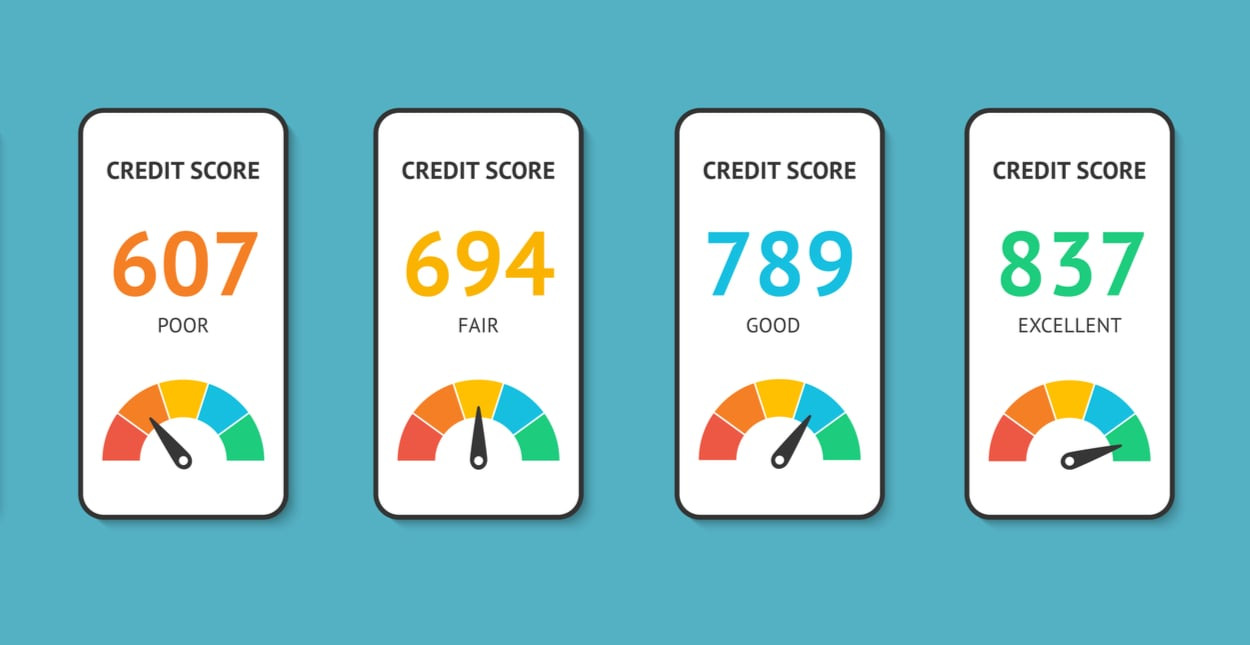
You might be doing everything you think is right — paying your bills, avoiding debt, staying out of financial trouble — and still watching your credit score quietly drop. The truth is, some of the most damaging mistakes that hurt your credit score aren’t obvious at all. In fact, many of them look completely harmless on the surface.
This guide breaks down the seven most common — and most costly — credit score mistakes Americans make every day. More importantly, you’ll learn exactly how to fix them and protect the score you’ve worked hard to build.
Whether your score dropped suddenly or has been stubbornly stuck for months, the answer is almost always hiding in one of these seven habits.
What Are Credit Score Mistakes?
Credit score mistakes are actions — or inactions — that negatively affect the information inside your credit report. Since your FICO score is calculated directly from that report, anything that creates a negative entry has an immediate and measurable impact on your number.
Your FICO score is based on five weighted categories:
| Factor | Weight |
|---|---|
| Payment History | 35% |
| Credit Utilization | 30% |
| Length of Credit History | 15% |
| Credit Mix | 10% |
| New Credit Inquiries | 10% |
Most credit score mistakes attack the top two categories — which together account for 65% of your total score. That’s why even a single misstep can cause a sudden and significant drop.
Why This Matters for Americans
In the United States, your credit score affects far more than just your ability to borrow money. A damaged score can cost you in ways most people don’t anticipate:
- Higher interest rates on car loans, personal loans, and mortgages — sometimes by 2–5% or more
- Rejected rental applications — landlords routinely pull credit reports before approving leases
- Higher insurance premiums in many states, where insurers use credit-based insurance scores
- Lost job opportunities — certain employers, especially in finance and government, check credit as part of background screening
- Denied utility accounts or required deposits for basic services
According to the Consumer Financial Protection Bureau (CFPB), a difference of just 100 points on your credit score can translate into tens of thousands of dollars in extra interest paid over your lifetime. The stakes are real — and the mistakes are avoidable.
How Credit Score Damage Actually Works
Every time you take an action that affects your credit — a late payment, a new application, a maxed-out card — the information flows from your lender to the three major credit bureaus: Equifax, Experian, and TransUnion.
Each bureau updates your credit report independently. FICO then calculates your score based on the most recent data in your file. That’s why damage can show up fast — sometimes within 30 days of a single mistake — but recovery tends to be slower.
The good news: your credit score is not permanent. Every negative mark has a shelf life, and consistent positive behavior always wins in the long run.
The 7 Mistakes That Are Secretly Destroying Your Credit Score
Mistake #1: Making Late Payments (Even by a Few Days)
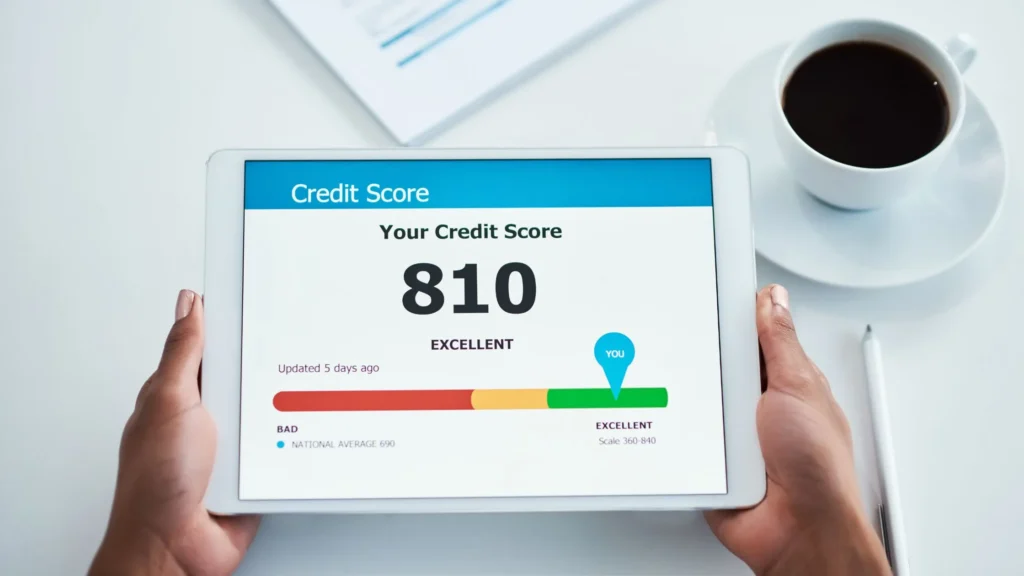
Payment history is the single largest factor in your credit score at 35%. A payment that’s 30 or more days late gets reported to the bureaus and can drop your score by 60 to 110 points — even if your score was excellent before.
What makes this dangerous: many people think a payment a few days late is no big deal. It isn’t — until it crosses that 30-day threshold. At that point, it becomes a formal delinquency on your report that stays for seven years.
Fix it: Set up autopay for at least the minimum payment on every account. Use calendar alerts as a backup. If you do miss a payment by less than 30 days, pay it immediately — the clock stops before it gets reported.
Mistake #2: Maxing Out Your Credit Cards
High credit card utilization is one of the fastest ways to damage your score. Utilization — the percentage of your available credit you’re using — accounts for 30% of your FICO score.
Using more than 30% of your total credit limit can noticeably lower your score. Using more than 70–80% can cause severe damage, even if you pay the balance in full every month.
Example: If your card has a $1,000 limit and you carry a $800 balance, your utilization is 80% — which signals financial stress to lenders.
Fix it: Keep utilization below 30% across all cards. Ideally, aim for under 10% for the fastest score improvement. Pay down balances before your statement closing date, since that’s when issuers report to the bureaus.
Mistake #3: Closing Old Credit Cards
It feels logical: you paid off a card, so you close it. But closing a credit card — especially an old one — can hurt your score in two ways simultaneously.
First, it reduces your total available credit, which raises your utilization ratio. Second, it shortens your average account age, which damages your length of credit history (15% of your score).
Fix it: Keep old accounts open, even if you rarely use them. Put a small recurring charge on them — like a $5 monthly subscription — and set up autopay. This keeps the account active without any risk.
Mistake #4: Applying for Too Much Credit at Once
Every time you apply for a new credit card, loan, or line of credit, the lender performs a hard inquiry on your credit report. A single hard inquiry typically drops your score by 5 to 10 points.
That might sound minor — but applying for three or four cards in a short window can stack those drops and signal to lenders that you’re in financial distress. Multiple hard inquiries within 12 months are a known red flag in credit scoring models.
Fix it: Apply for new credit only when you genuinely need it. Space out applications by at least six months. Before applying, use soft-pull pre-qualification tools — offered by Capital One, Discover, and others — to check your approval odds without impacting your score.
Mistake #5: Ignoring Your Credit Report
The Federal Trade Commission (FTC) reports that roughly 1 in 5 Americans has at least one error on their credit report. These errors — a wrong balance, a duplicate account, a payment incorrectly marked late — can drag your score down through no fault of your own.
If you’re not checking your report, you’re flying blind.
Fix it: Pull your free credit reports from all three bureaus at AnnualCreditReport.com at least once a year. Review each one carefully and dispute any inaccuracies directly with the bureau. A single corrected error can raise your score by 20–50 points.
Mistake #6: Only Making Minimum Payments
Paying the minimum keeps you “current” on your account — meaning no late payment is reported. But minimum payments do almost nothing to reduce your actual balance. This keeps your utilization rate high month after month, which continuously suppresses your score.
On a $2,000 balance at 24% APR, paying only the minimum means you’ll spend years paying it off — and hundreds in interest — while your score stays artificially low the entire time.
Fix it: Always pay more than the minimum. Ideally, pay the full statement balance each month. If that’s not possible, pay as much as you can above the minimum to chip away at utilization faster.
Mistake #7: Co-Signing Without Understanding the Risk
Co-signing a loan for a friend or family member is an act of generosity — but it comes with serious credit risk. When you co-sign, that account appears on your credit report too. Every late payment, missed payment, or default by the primary borrower hits your score just as hard as it hits theirs.
This is one of the most overlooked habits that damage your credit score fast, because the damage comes from someone else’s behavior — completely outside your control.
Fix it: If you do co-sign, monitor the account regularly. Set up account alerts if the lender allows it. Be prepared to step in and make payments yourself if the primary borrower falls behind.
Expert Tips to Recover From Credit Score Mistakes Quickly
Start with the basics before anything else. Pay every account on time going forward — no exceptions. Even with negative marks on your file, consistent on-time payments will begin to outweigh past damage within 6–12 months.
Attack utilization immediately. Of all the factors you can change quickly, utilization responds the fastest. Paying down a high-balance card can improve your score within a single billing cycle.
Use a credit monitoring app daily. Tools like Credit Karma or Experian’s free dashboard let you track score changes in real time, catch suspicious activity, and understand exactly which factors are helping or hurting you on any given day.
Don’t try to fix everything at once. Focus on the highest-impact areas first — payment history and utilization — before worrying about credit mix or inquiry counts.
Give it time. Negative marks like late payments and collections fade in impact over time, even before they drop off your report. A 90-day late payment from three years ago hurts far less than one from three months ago.
Frequently Asked Questions
Why did my credit score drop suddenly for no reason?
Sudden score drops are almost always tied to one of four causes: a late or missed payment was reported, your credit utilization spiked, a new hard inquiry was added, or an error appeared on your report. Pull your free credit report at AnnualCreditReport.com to identify the specific cause.
How much does a late payment hurt your credit score?
A single payment that’s 30 or more days late can drop your score by 60 to 110 points depending on your starting score and credit history. The higher your score before the missed payment, the more dramatic the drop. The mark stays on your report for seven years.
Does closing a credit card hurt your credit score?
Yes. Closing a card reduces your total available credit (raising your utilization ratio) and can shorten your average account age. Both effects lower your score. Unless a card has an unmanageable annual fee, it’s almost always better to keep it open with minimal use.
How long does it take to recover from credit score mistakes?
Minor mistakes like a single hard inquiry typically recover within 3–6 months. More serious damage like a late payment or high utilization can take 12–24 months of consistent positive behavior to significantly offset. Bankruptcies and collections can take 7–10 years to fully age off — though their impact weakens over time.
How do I fix errors on my credit report?
Dispute the error directly with the credit bureau that’s reporting it — Equifax, Experian, or TransUnion. Each bureau has an online dispute portal. You can also dispute through the lender directly. Bureaus are required by law to investigate and respond within 30 days.
Final Thoughts
Your credit score is one of the most powerful financial tools you have — and protecting it is far easier than repairing it. Most of the mistakes that hurt your credit score aren’t dramatic financial disasters. They’re small, quiet habits: a payment that slipped through the cracks, a card that got maxed out for one month, an old account that got closed without thinking.
Now that you know what to watch for, you’re already ahead. Pay on time, keep your balances low, leave old accounts open, and check your credit report regularly. Those four habits alone will take most people from damaged to excellent within 12 to 18 months.
For more practical guides on rebuilding credit, comparing cards, and improving your financial health, visit CreditPilotUSA.com — your trusted co-pilot for navigating the world of credit.
Disclaimer: Credit scoring models and lender policies vary. Information provided is for educational purposes only and does not constitute financial advice.

Danilo is a Credit Analyst and the Founder of CreditPilotUSA.com. With deep expertise in the credit card industry, he translates complex banking news and reward systems into actionable financial strategies. Dedicated to helping Americans master their credit scores and maximize the cards in their wallets.