

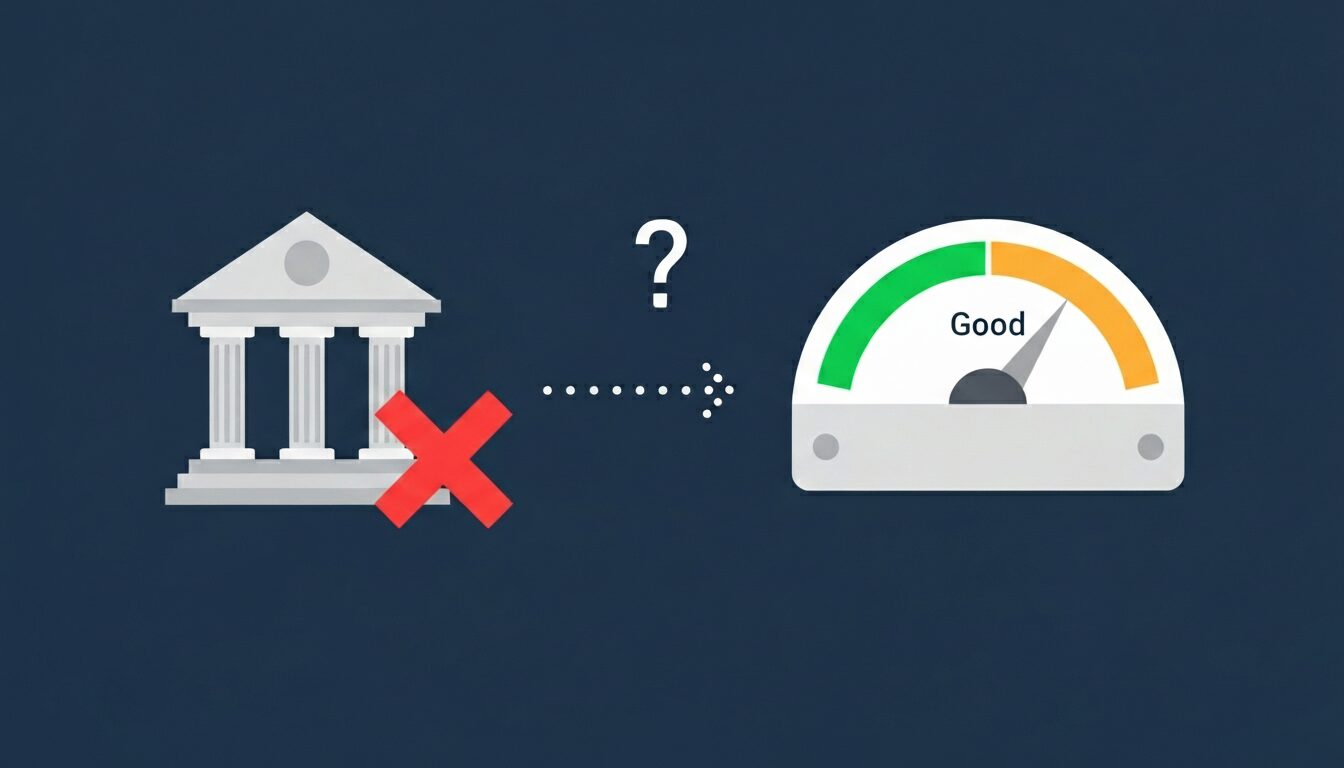
If you’ve ever wondered whether closing a bank account could hurt your credit score, you’re not alone. It’s one of the most common questions among Americans who are actively working to build or protect their credit. The short answer might surprise you — but the full picture is more nuanced than a simple yes or no.
In this guide, we’ll walk you through exactly how closing a bank account interacts with your credit, when it could cause problems, and what smart moves to make to keep your financial profile in great shape.
What Is a Bank Account Closure?
A bank account closure simply means ending your relationship with a checking or savings account at a financial institution. This can happen in two ways:
- Voluntary closure: You decide to close the account — maybe you’re switching banks, consolidating finances, or no longer need the account.
- Involuntary closure: The bank closes your account due to prolonged inactivity, a negative balance, or suspected fraud.
Both types of closures are more common than most people realize, and understanding how each one works is key to protecting your financial health.
According to the Consumer Financial Protection Bureau (CFPB), understanding how different financial products interact with your credit is one of the most important steps toward long-term financial wellness.
Why It Matters in the United States
In the U.S., your credit score — whether FICO or VantageScore — is based on information reported to the three major credit bureaus: Experian, Equifax, and TransUnion.
Here’s the important distinction: standard checking and savings accounts are not reported to the credit bureaus. That means, in most cases, closing a bank account does not directly affect your credit score.
However, that doesn’t mean it’s always consequence-free. There are specific scenarios where closing a bank account can have a ripple effect on your credit — and those are the situations you need to watch out for.
The Federal Trade Commission (FTC) recommends that every American review their credit report regularly, especially after any significant change to their banking or credit accounts.
How Closing a Bank Account Works (and When It Can Hurt Your Credit)

Direct Impact: Usually None
Because regular bank accounts don’t appear on your credit report, simply closing one won’t lower your score. The credit bureaus don’t receive a notification that you’ve closed a checking or savings account.
Indirect Impact: When It Gets Complicated
There are a few important exceptions where closing a bank account can indirectly damage your credit:
1. Unpaid Negative Balances
If you close a bank account with a negative balance — like an outstanding overdraft — and fail to pay it off, the bank may send that debt to a collections agency. A collections account will show up on your credit report and can significantly lower your score.
2. ChexSystems Reporting
ChexSystems is a consumer reporting agency (separate from the three main credit bureaus) that tracks banking behavior — things like bounced checks, overdrafts, and involuntary account closures. While ChexSystems data doesn’t directly impact your FICO score, a negative record there can make it harder to open a new bank account, which can indirectly affect your financial options.
You’re entitled to a free ChexSystems report once every 12 months at ChexSystems.com.
3. Linked Credit Products
If your closed bank account was tied to a credit product — like an overdraft line of credit or a secured credit card — closing the account could affect those products. For example, if the bank cancels an overdraft line of credit associated with your account, that could impact your credit utilization ratio, a major factor in your credit score.
4. Missed Automatic Payments
If you used that bank account for automatic bill payments or credit card autopay, closing it without updating your payment methods could lead to missed payments — one of the fastest ways to damage your credit score.
Best Tips for Closing a Bank Account Without Hurting Your Credit
Follow these practical steps to close a bank account safely and protect your credit score in the process.
✅ Clear Any Negative Balance First
Before submitting a closure request, make sure your account balance is at zero or positive. Pay off any overdraft fees or pending charges to avoid a collections account appearing on your credit report.
✅ Update All Automatic Payments
Make a list of every bill, subscription, or credit card that drafts from that account. Update each one with your new account information before closing the old one. Missing even one payment could hurt your score.
✅ Wait for All Pending Transactions to Clear
Don’t close an account while transactions are still in process. Wait until all checks have cleared and all debit card transactions have posted. This typically takes 5–7 business days.
✅ Open a New Account Before Closing the Old One
To avoid any gap in banking access, open your new bank account first and keep both accounts active for a short overlap period. Transfer your recurring deposits (like your paycheck) to the new account before closing the old one.
✅ Request Written Confirmation of Closure
Always ask for written confirmation — either by email or postal mail — that your account has been officially closed. This protects you if any issues arise later.
Common Mistakes to Avoid
Even financially savvy Americans make these errors when closing a bank account. Here’s what to watch out for:
- Closing an account with a pending overdraft fee. That fee doesn’t disappear — it becomes a debt that could be sent to collections.
- Forgetting to redirect direct deposit. If your paycheck hits a closed account, it can cause payment delays and complications with your employer.
- Not checking ChexSystems before applying for a new account. If there’s an error on your ChexSystems report, dispute it before you try to open a new account.
- Assuming all bank products are unlinked. Always check whether your account is connected to a line of credit or secured card before closing it.
- Leaving small balances behind. Some accounts charge monthly fees, and if you don’t close them properly, a small balance can turn into a negative one.
Read more: Your Credit Score Updates Every 30 Days — Here’s the Exact Day to Check It
Expert Tips to Get Better Results
Monitor Your Credit Report After Closing
After closing any bank account, pull your free credit report at AnnualCreditReport.com within 30–60 days to confirm no unexpected items have appeared. This is the only federally authorized source for free credit reports.
Keep Your Credit Utilization Low
If you have a credit card or line of credit tied to your bank account, make sure closing the account doesn’t reduce your available credit in a way that raises your utilization ratio above 30%. High utilization is one of the biggest drags on your credit score.
Maintain a Healthy Banking History
Responsible banking habits — keeping positive balances, avoiding overdrafts, and paying off any fees promptly — create a clean ChexSystems record and a healthier overall financial profile.
Consider a Credit-Builder Account
If you’re rebuilding your credit and need a new bank account, look into credit-builder products or secured accounts that report payment history to the credit bureaus. These can be a powerful tool for improving your score over time.
Frequently Asked Questions (FAQ)
Does closing a savings account hurt your credit score?
In most cases, no. Savings accounts are not reported to the major credit bureaus, so closing one won’t directly impact your FICO or VantageScore. However, if the account had an associated credit product or a negative balance sent to collections, there could be an indirect effect.
Will a bank account closure show up on my credit report?
A standard bank account closure will not appear on your Equifax, Experian, or TransUnion credit report. However, if you owe money to the bank at the time of closure and the debt goes to a collection agency, that collection account will appear on your credit report.
What is ChexSystems and does it affect my credit?
ChexSystems is a reporting agency that tracks banking behavior — like overdrafts, bounced checks, and account closures. It is separate from the three major credit bureaus, so it doesn’t affect your credit score directly. However, a negative ChexSystems record can prevent you from opening new bank accounts at many institutions.
Can I close a bank account if it has a negative balance?
You should pay off any negative balance before closing an account. If you close an account with money owed, the bank may charge it off and send it to collections, which will appear on your credit report and damage your score.
How long does a bank account closure stay on ChexSystems?
Negative banking records typically remain on your ChexSystems report for five years. You can dispute inaccurate records by contacting ChexSystems directly through their official website.
Final Thoughts
Closing a bank account doesn’t automatically hurt your credit score — but it’s not something to do carelessly either. The key is to leave the account in good standing, redirect all payments, and check for any linked credit products before pulling the plug.
Your credit score reflects your financial responsibility, and the details matter. A little preparation goes a long way toward keeping your score healthy during life transitions like switching banks.
Want to learn more about protecting and improving your credit score? Explore our expert guides at CreditPilotUSA.com — your trusted co-pilot for smarter financial decisions.
Disclaimer: This article is for informational purposes only and does not constitute financial or legal advice. Always consult with a qualified financial professional before making major financial decisions.

Danilo is a Credit Analyst and the Founder of CreditPilotUSA.com. With deep expertise in the credit card industry, he translates complex banking news and reward systems into actionable financial strategies. Dedicated to helping Americans master their credit scores and maximize the cards in their wallets.