
Your credit score is one of the most powerful numbers in your financial life — yet millions of Americans either don’t have one or are actively trying to improve it. Whether you’re starting from zero, recovering from financial hardship, or simply looking to unlock better rates and premium rewards cards, knowing how to build your credit score the right way can change everything.
The good news? You don’t have to wait years to see results. With the right strategies, many people see meaningful improvements in as little as 30 to 90 days — and a solid, healthy score within 12 months. This step-by-step guide breaks down exactly what moves the needle, what to avoid, and how to go from “no credit” to “great credit” as efficiently as possible in the United States.
What Is a Credit Score in the United States?
A credit score is a three-digit number — typically ranging from 300 to 850 — that represents how creditworthy you are in the eyes of lenders. The higher the number, the less risky you appear, and the more favorable terms you’ll receive on loans, credit cards, mortgages, and more.
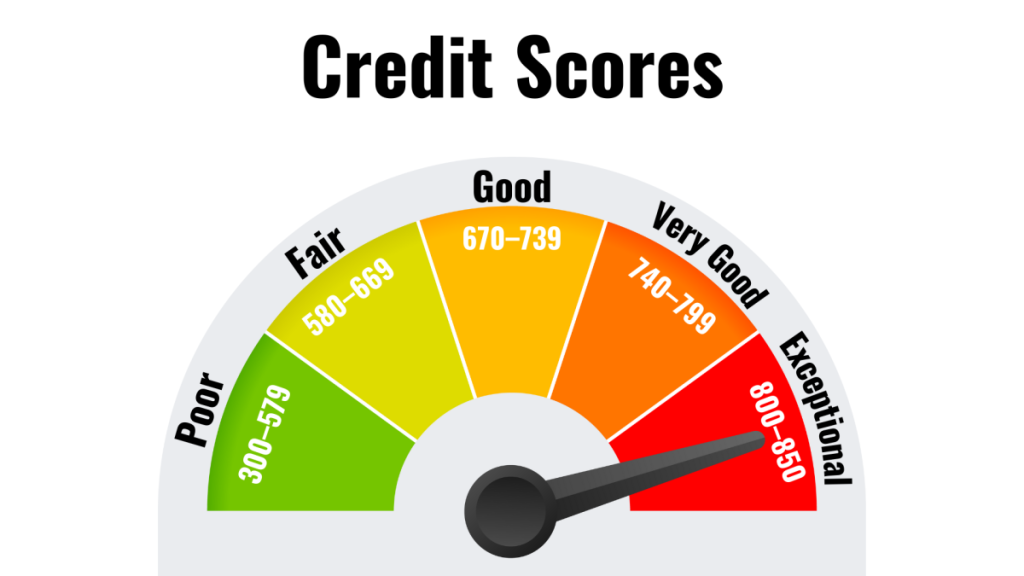
In the US, the most widely used model is the FICO® Score, developed by the Fair Isaac Corporation. Here’s how the score ranges break down:
| Score Range | Rating |
|---|---|
| 800 – 850 | Exceptional |
| 740 – 799 | Very Good |
| 670 – 739 | Good |
| 580 – 669 | Fair |
| 300 – 579 | Poor |
Most lenders require a score of 670 or higher to qualify for competitive offers. A score above 740 opens the doors to the absolute best rates and premium credit products.
Why Your Credit Score Matters More Than You Think
Many Americans underestimate just how far-reaching a credit score’s impact is. It’s not just about getting a credit card.
Your score affects:
- Mortgage rates — A 100-point difference in your credit score can mean thousands of dollars in extra interest paid over a 30-year loan
- Car loans — Lenders use your score to determine your auto loan APR
- Apartment rentals — Most landlords in the US run a credit check before approving tenants
- Employment — Some employers, particularly in finance and government, check credit history as part of background screenings
- Insurance premiums — In many states, auto and home insurers use credit-based scores to set rates
- Cell phone plans — Carriers may require deposits from applicants with low or no credit
Simply put: improving your credit score is one of the highest-return investments you can make in yourself.
How Your FICO Score Is Calculated
Before you can improve your credit score fast, you need to understand what actually goes into it. FICO scores are calculated using five weighted factors:
1. Payment History — 35%
This is the single biggest factor. Every on-time payment strengthens your score; every missed or late payment damages it. Even one 30-day late payment can drop your score by 50–100 points.
2. Credit Utilization — 30%
This is the ratio of your current credit card balances to your total credit limits. If you have a $1,000 limit and carry a $400 balance, your utilization is 40% — which is too high. Experts recommend staying below 30%, and ideally under 10% for the best results.
3. Length of Credit History — 15%
The longer your accounts have been open and active, the better. This is why closing old credit cards — even ones you rarely use — can actually hurt your score.
4. Credit Mix — 10%
Lenders like to see that you can manage different types of credit responsibly — such as a credit card, an auto loan, and a student loan. A diverse mix signals financial maturity.
5. New Credit — 10%
Every time you apply for new credit, a hard inquiry is placed on your report, temporarily lowering your score by a few points. Applying for multiple credit products at once raises red flags for lenders.
Step-by-Step Guide to Build Your Credit Score Fast
Now let’s get into the actionable steps. This is the exact blueprint to follow whether you’re starting from scratch or actively working to rebuild.
Step 1: Get a Secured Credit Card
A secured credit card is the most accessible entry point into the US credit system. You deposit a refundable amount (usually $200–$500), which becomes your credit limit. Use it for small purchases and pay it off in full each month.
The card reports your activity to the three major credit bureaus — Equifax, Experian, and TransUnion — building your credit history with each billing cycle.
Top picks include the Discover it® Secured (which earns cashback and has no annual fee) and the Capital One Platinum Secured Card. Once you’ve established some history, you’ll want to graduate to an unsecured card with real rewards.
🔗 Ready to upgrade? Check out our full guide to the best credit cards in the USA to find the right card for your next stage — including top picks for every credit level and spending style.
Step 2: Become an Authorized User
If a trusted family member or close friend has a credit card with a strong payment history and low utilization, ask to be added as an authorized user on their account.
You don’t even need to use the card. Simply being listed can cause their positive account history to appear on your credit report — sometimes boosting your score within 30–60 days of being added.
This strategy is especially effective for people just starting out or rebuilding after financial setbacks.
Step 3: Pay Every Single Bill On Time
Since payment history makes up 35% of your FICO score, this is non-negotiable. Set up autopay for at least the minimum payment on every account so you never accidentally miss a due date.
If you can, always pay the full statement balance. This eliminates interest charges and keeps your utilization low — a double win.
Pro tip: Even paying a few days before your statement closing date can reduce the balance that gets reported to the bureaus, lowering your apparent utilization.
Step 4: Keep Your Credit Utilization Below 30%
Utilization is the second most powerful factor in your score, accounting for 30% of the total. Here’s how to actively manage it:
- Pay down existing balances aggressively before the statement closing date
- Request a credit limit increase — more available credit means lower utilization automatically
- Spread purchases across multiple cards to avoid concentrating balances
- Make mid-cycle payments so your balance doesn’t climb before the reporting date
The sweet spot most financial experts agree on is keeping utilization between 1% and 10% for optimal scoring results.
Step 5: Apply for a Credit-Builder Loan
A credit-builder loan is specifically designed for people with no or thin credit history. Unlike a traditional loan, the money is held in a bank account while you make monthly payments. Once you’ve paid it off, you receive the funds.
Every on-time payment gets reported to the bureaus, helping you build a positive payment history. Credit unions and community banks commonly offer these loans, as does the online platform Self (formerly Self Lender).
Step 6: Get Your Rent and Utilities Reported
Most landlords don’t automatically report rent payments to credit bureaus — but rent is often your biggest monthly expense. Services like Experian RentBureau, Rental Kharma, and Rent Reporters can add your rent history to your credit file.
Similarly, some programs allow you to add utility and phone payments to your report. This is an underused strategy that can meaningfully strengthen a thin credit profile at very low cost.
Step 7: Dispute Credit Report Errors
According to the FTC, 1 in 5 Americans has an error on at least one of their credit reports. Errors like incorrect late payments, wrong account balances, or accounts that don’t belong to you can silently drag your score down.
Here’s how to fix it:
- Pull your free reports at AnnualCreditReport.com (free from all three bureaus)
- Review each report carefully for inaccuracies
- File a dispute online with Equifax, Experian, or TransUnion directly
- The bureau has 30 days to investigate and respond
Removing a single inaccurate negative mark can boost your score by 20–50+ points almost immediately.
How Long Does It Take to Build Credit in the USA?
Here’s a realistic timeline based on consistent, responsible credit behavior:
| Timeframe | What to Expect |
|---|---|
| Month 1–3 | Secured card or authorized user status added; activity begins reporting |
| Month 4–6 | First FICO score generated (minimum 6 months of history required by FICO) |
| Month 6–12 | Score reaches Fair range (580–669) with consistent on-time payments |
| Year 1–2 | Score climbs into Good territory (670+) with low utilization and clean history |
| Year 3–5+ | Excellent credit (740–850) becomes achievable with continued responsible use |
The key insight: you can’t rush time, but you can make every month count by maximizing every factor within your control.
Best Tips to Improve Your Credit Score Fast
If you already have some credit history and want to accelerate your progress, focus on these high-impact moves:
- Pay down revolving balances first. Even a 10% reduction in utilization can move the needle quickly.
- Don’t close old credit cards. Even if unused, keeping them open preserves your average account age and available credit.
- Avoid applying for multiple cards in the same month. Each hard inquiry can cost you 5–10 points temporarily.
- Use tools like Experian Boost. This free service allows you to add on-time utility, streaming, and phone payments directly to your Experian report.
- Upgrade to an unsecured rewards card once your score hits 640–670. The right card accelerates your credit building while earning you real rewards.
🔗 Not sure which card to use next? Our comprehensive guide to the best credit cards in the USA for 2026 covers the top options for every credit score range — from secured starter cards to premium travel rewards products.
Common Mistakes to Avoid When Building Credit
These are the most common pitfalls that slow down or reverse credit-building progress:
- Maxing out your credit card — even if you pay it off — spikes your reported utilization and hurts your score
- Applying for too many cards too quickly — multiple hard inquiries in a short window can drop your score and look desperate to lenders
- Ignoring your credit report — errors are more common than people think and go unnoticed for years
- Co-signing loans carelessly — if the primary borrower misses payments, your score takes the hit too
- Closing your oldest account — this shortens your average credit age, which reduces your score
- Only making minimum payments — this keeps your utilization high, grows interest charges, and slows your progress dramatically
Expert Tips to Get Better Results
Here are some advanced strategies used by credit-savvy Americans to optimize their scores:
Use the “AZEO” method (All Zero Except One). Pay all credit card balances to $0 except one, which you leave with a small balance (1–5% utilization). This signals active, responsible credit use without high debt.
Time your payments strategically. Pay your balance before the statement closing date — not just before the due date. This ensures a lower balance gets reported to the bureaus each month.
Request a goodwill adjustment. If you’ve had one or two late payments but otherwise maintain a clean history, call your card issuer and politely ask for a “goodwill deletion.” Many issuers will remove the negative mark as a courtesy — especially for long-standing customers.
Monitor your score monthly. Free tools like Credit Karma, Experian’s free tier, and most card issuers’ built-in score trackers let you watch your progress and catch problems early.
Frequently Asked Questions (FAQ)
How fast can I build my credit score from scratch in the USA?
You can generate your first FICO score in as little as 6 months with an open, active credit account. With consistent on-time payments and low utilization, many people reach “Good” credit (670+) within 12 to 18 months.
What is the fastest way to improve my credit score?
The fastest moves are: paying down credit card balances to reduce utilization, disputing any errors on your credit report, and becoming an authorized user on a well-managed account. These actions can show results in 30 to 60 days.
Does checking my own credit score hurt it?
No. Checking your own score is a soft inquiry, which has zero impact on your FICO score. Only hard inquiries — triggered when you apply for new credit — can temporarily lower it.
What credit score do I need to get the best credit cards in the USA?
Most top-tier rewards cards require a good to excellent score (670–850). Secured cards and credit-builder products are available for scores below 580 or for those with no credit history at all.
Can I build credit without a credit card?
Yes. Credit-builder loans, becoming an authorized user, reporting rent through services like Experian RentBureau, and taking out a small personal loan can all help you build credit without ever using a traditional credit card.
Final Thoughts
Building your credit score in the United States is not complicated — but it does require consistency, patience, and the right tools. Start with the fundamentals: pay on time, keep your utilization low, and get the right credit product for your current stage.
Every positive action you take today compounds over time. A year from now, you could be in a completely different financial position — qualifying for better loans, lower rates, and cards that reward you for every dollar you spend.
Once your score starts climbing, the next step is choosing credit cards that work for you. Explore our full breakdown of the best credit cards in the USA — with top picks for every credit level, spending habit, and financial goal.
Disclaimer: Credit scoring models and financial products are subject to change. Always verify current terms directly with credit bureaus and card issuers.