

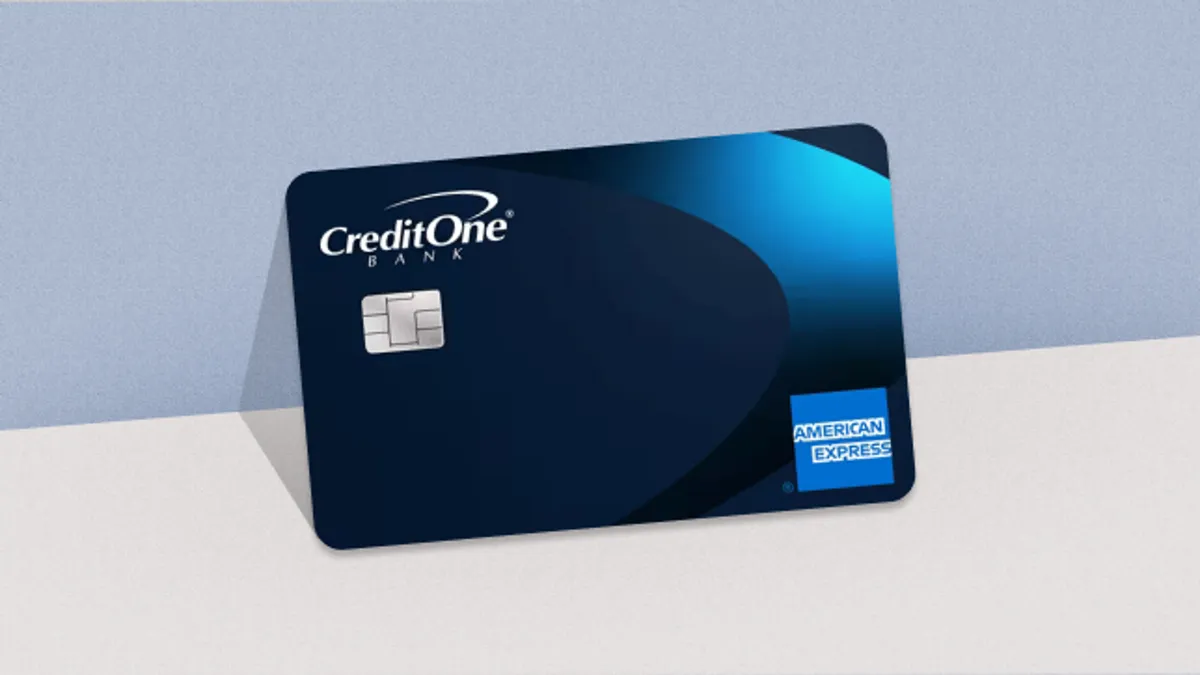
You’ve probably seen the name pop up in your social media feed, a YouTube ad, or maybe a friend mentioned it at dinner. Credit One Bank is trending right now — and for more reasons than one. Some people are singing its praises. Others are furious. And a whole lot of people are just confused about what this bank actually is.
If you’re thinking about applying for one of their credit cards — especially if your credit score isn’t exactly sparkling — you need to read this first. What looks like a lifeline could come with fine print that costs you hundreds of dollars a year.
Let’s break it all down, no sugarcoating.
What Is Credit One Bank, and Why Is It Suddenly Everywhere?
Credit One Bank is a Nevada-based bank that specializes in credit cards for people with fair, poor, or limited credit — the folks that big banks like Chase or Citi often turn away. They’ve been around since 1984, but their visibility has surged dramatically in recent months thanks to an aggressive digital advertising push and a wave of consumer conversations online.
Here’s what’s driving the trend right now:
- Influencer and affiliate marketing: Credit card comparison sites and finance influencers are actively promoting Credit One cards, often earning a commission for every approved application.
- Rising credit card demand: With inflation still squeezing budgets in 2026, more Americans are looking for credit options — and those with damaged credit have fewer places to go.
- Confusion with Capital One: Many consumers mix up Credit One Bank with Capital One. They’re completely different companies — Credit One is not affiliated with Capital One in any way.
- Social media complaints going viral: Some of the trending attention has come from unhappy customers sharing fee-related frustrations online.
⚠️ Quick heads up: Credit One Bank and Capital One are not the same company. The names sound almost identical, but they are completely separate institutions with very different offerings and fee structures.
If you’re still building your credit foundation, check out our guide on what is a good credit score in the USA before you apply for any card.
Who Are Credit One Bank Cards Actually For?
Credit One Bank cards are marketed to people who are rebuilding credit after a rough patch — think bankruptcy, missed payments, or simply no credit history at all. If that’s your situation, these cards can serve a real purpose.
A typical applicant might be:
- Someone with a credit score between 500–670 (fair to poor range)
- A person who was recently denied by mainstream banks
- A young adult with little to no credit history
- Someone who recently went through bankruptcy or a major financial setback
If your score is already above 700, you can almost certainly qualify for far better cards with lower fees and better rewards. Credit One is rarely the right choice for people with good credit.
Want to see where you stand? Our article on how to improve your credit score from 500 to 700 walks you through the exact steps.
What Credit One Bank Cards Actually Offer
The Potential Upsides
To be fair, Credit One Bank does offer some genuine benefits, especially compared to secured cards that require a cash deposit:
- No security deposit required — unlike many credit-builder cards, you don’t have to hand over $200–$500 upfront
- Cashback rewards — some cards offer 1% back on eligible purchases
- Pre-qualification with a soft pull — you can check your odds without hurting your credit score
- Reports to all three credit bureaus — using the card responsibly can actually build your score over time
- Credit limit increase opportunities — accounts in good standing may receive periodic reviews
The Costs You Need to Know About
This is where Credit One Bank gets complicated — and where a lot of people feel blindsided. The fees can be significant, especially in the first year.
| Fee Type | Typical Range | Verdict |
|---|---|---|
| Annual Fee | $0–$99 (varies by card) | ⚠️ Watch closely |
| APR (Interest Rate) | ~29–36% variable | 🔴 Very high |
| Monthly Maintenance Fee | Up to $8.25/month on some cards | 🔴 Adds up fast |
| Additional Card Fee | Up to $19/year for authorized users | ⚠️ Unusual charge |
| Starting Credit Limit | Often $300 | ✅ Manageable start |
Here’s a real-world scenario: Say you get a Credit One card with a $300 credit limit, a $75 annual fee, and a 29% APR. If you carry a balance and pay only minimums, the interest alone could cost you more than the rewards you earn back. The math doesn’t work in your favor unless you pay in full every month.
What People Are Actually Saying Online in 2026
The online chatter about Credit One Bank is split. There’s a vocal group of satisfied users who credit the card with helping them climb out of a credit score rut. And there’s an equally loud group who feel the fees weren’t made clear when they applied.
Common positive themes:
- “It helped me get from a 580 to a 680 in about 18 months.”
- “I like that I didn’t need a deposit. Other cards wanted $200 upfront.”
- “Customer service resolved my issue quickly when I called.”
Common negative themes:
- “The annual fee ate almost a quarter of my credit limit.”
- “I had no idea there was also a monthly maintenance fee on top of the annual fee.”
- “The app is outdated and payment processing feels slow.”
💡 Pro Tip: Before applying, use Credit One’s pre-qualification tool to see what terms you’d be offered — without a hard inquiry on your credit report. The terms vary widely between individuals.
Credit One Bank vs. Better Alternatives for Building Credit
If you’re in credit-rebuilding mode, Credit One isn’t your only option. Here’s a quick comparison with other paths:
- Discover it® Secured Card — requires a deposit, but has no annual fee and earns real cashback rewards. Read our full Discover it Cash Back review for more details.
- Capital One Platinum Secured — low deposit option, no annual fee, strong path to upgrade
- Self Credit Builder Account — not a card, but a loan product that builds credit with every payment
- Chime Credit Builder — no credit check, no annual fee, works with your own money as the limit
For a broader look at your options, our guide on the best credit cards for bad credit covers the top picks side by side.
The big takeaway: if you can manage a security deposit, a secured card from a major issuer will almost always cost you less over time than a Credit One card.
5 Things to Do Before Applying for a Credit One Bank Card
1. Check your credit score first. Use a free tool like Credit Karma or AnnualCreditReport.com. If you’re above 650, you may qualify for better options. See our breakdown of the 10 best credit cards for beginners to compare.
2. Read the specific card’s terms. Credit One offers multiple card versions. Annual fees and APRs differ — don’t assume all cards are the same.
3. Calculate what the fees will actually cost you annually. If the annual fee is $75 and you earn 1% cash back, you’d need to spend $7,500 just to break even on rewards.
4. Commit to paying in full every month. The high APR is only damaging if you carry a balance. Pay in full and it’s irrelevant. Our article on 7 habits to raise your credit score faster includes payment strategies that actually work.
5. Set a calendar reminder to reassess in 12 months. Credit One can be a stepping stone. Once your score improves, upgrade to a card with better terms. Check out our list of best no annual fee credit cards in the USA for your next move.
The Bottom Line on Credit One Bank
Credit One Bank is trending because it fills a real need — millions of Americans need access to credit but don’t qualify for the premium cards. For the right person, using a Credit One card responsibly is a legitimate way to rebuild credit and open doors over time.
But it’s not a free pass. The fees are real, the APR is high, and the terms vary a lot depending on which card you’re offered. Go in with eyes wide open, read every line of the terms, and treat it as a short-term tool — not a long-term home for your credit life.
Your credit score is worth protecting. Whatever card you choose, make sure it’s working for you — not the other way around.
Want to keep building? Read next: How to Build Your Credit Score Fast →

Danilo is a Credit Analyst and the Founder of CreditPilotUSA.com. With deep expertise in the credit card industry, he translates complex banking news and reward systems into actionable financial strategies. Dedicated to helping Americans master their credit scores and maximize the cards in their wallets.